

Eid Al Etihad 2025: UAE marks a landmark year of growth and major projects
Nation celebrates milestone achievements across key sectors this National Day
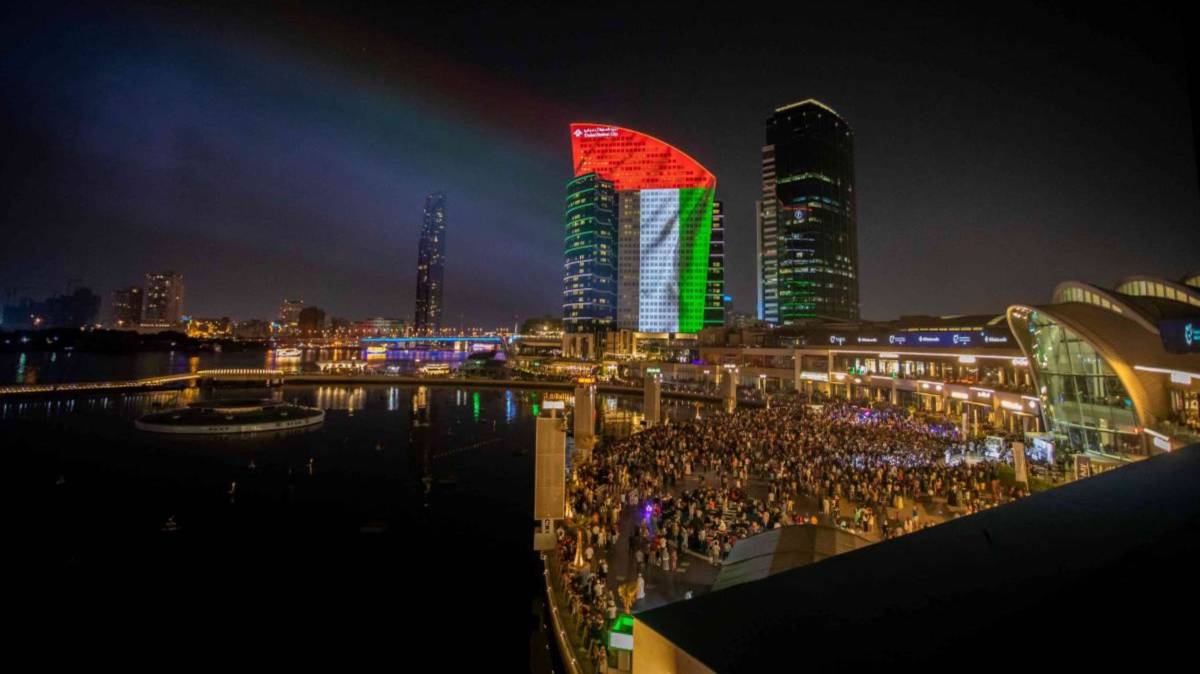
ABU DHABI – The United Arab Emirates marks its 54th Eid Al Etihad with a renewed outlook for the future, shaped by extensive economic gains, accelerated development projects and expanded global influence.
Celebrated during the 2025 Year of Community, the occasion reflects a year in which the nation strengthened its international position, expanded its economic capabilities and advanced major initiatives to support sustainable national growth.
The anniversary highlights achievements across tourism, infrastructure, trade, transportation and strategic investment, reinforcing the UAE’s ongoing path of development under its leadership.
Economic gains
The UAE economy sustained its position among the world’s fastest-growing, supported by strong non-oil sector performance and long-term diversification strategies. The International Monetary Fund projects economic growth at 4.8 percent for the current year. Non-oil foreign trade recorded Dh1.7 trillion in the first half of 2025, an increase of 24.5 percent compared with the same period in 2024, reflecting robust demand, strengthened trade networks and investor confidence.
This year also saw the approval of the largest federal budget in UAE history, with Dh92.4 billion allocated for 2026 to support key sectors and long-term national programmes. The UAE launched the National Investment Strategy 2031, targeting Dh240 billion in foreign investment annually as part of a broader push to attract global capital, enhance competitiveness and diversify revenue streams.
Banking indicators also grew, with total banking assets exceeding Dh5.199 trillion by September 2025. Total credit reached approximately Dh2.478 trillion during the same period, underscoring strong financial sector activity.
Trade expansion
The UAE continued advancing global trade relationships by expanding its network of comprehensive economic partnership agreements with countries worldwide. This year introduced the UAE Global Centre of Trade programme, an initiative aimed at attracting 1,000 major international companies. The programme focuses on opening new export markets and establishing a digital gateway designed to support seamless cross-border trade, logistics efficiency and global supply-chain integration.
Tourism growth
Tourism and travel witnessed solid performance, contributing Dh257.3 billion to the national GDP – equivalent to 13 percent of the total economy. Hotel establishments welcomed more than 16.1 million guests during the first half of the year, generating Dh26.1 billion in revenues.
Combined passenger traffic across Abu Dhabi International Airport, Dubai International Airport and Sharjah International Airport reached approximately 108.59 million by the end of September, reflecting strengthening demand for the UAE’s aviation and travel network.
A major milestone in the sector came with the election of Shaikha Nasser Al Nowais as Secretary-General of the United Nations Tourism Organisation for the 2026–2029 term, a first for the region and a reflection of the UAE’s global standing in tourism diplomacy.
Tourism projects
Several major tourism and investment developments were unveiled across the Emirates this year. Announcements included the Al Tay Hills project in Sharjah, phase two of the Al Khor Waterfront in Umm Al Qaiwain, and the development of Disney World and Resort in Abu Dhabi. Dubai announced the Therme Dubai wellness and entertainment destination, adding to its portfolio of large-scale leisure and wellbeing projects.
National development
Key development and infrastructure initiatives advanced at pace, reinforcing national priorities linked to mobility, sustainability and quality of life. This included the launch of the high-speed rail project connecting Abu Dhabi and Dubai. The UAE also announced a national roads and transport plan valued at more than Dh170 billion through to 2030. The plan includes expanding federal roads and increasing efficiency by 73 percent, constructing a fourth federal highway capable of handling 360,000 trips per day and laying the foundation stone for the 30-kilometre Dubai Metro Blue Line.
In 2025, Dubai awarded Dh1.439 billion in contracts for four major projects under the Tasreef stormwater drainage system. Sharjah inaugurated the Um Funnain substation, costing more than Dh500 million, to enhance power distribution. Fujairah began full commercial operations of the Fujairah F3 power plant, with a capacity of 2.4 gigawatts, supplying electricity to more than 380,000 homes.
Dubai also launched the development of the Dubai Auto Market, spanning 22 million square feet, positioning it as the largest facility of its kind globally.
Infrastructure expansion
Across the Emirates, infrastructure expansion continued with further projects supporting aviation, transport and development. Ras Al Khaimah announced the construction of a VIP terminal and private aircraft hangars at Ras Al Khaimah International Airport, strengthening its aviation services. Additional development initiatives underway across the country contributed to sustained economic and urban growth as the UAE marks its 54th Eid Al Etihad.